A mindset for navigating unconscious consumption.
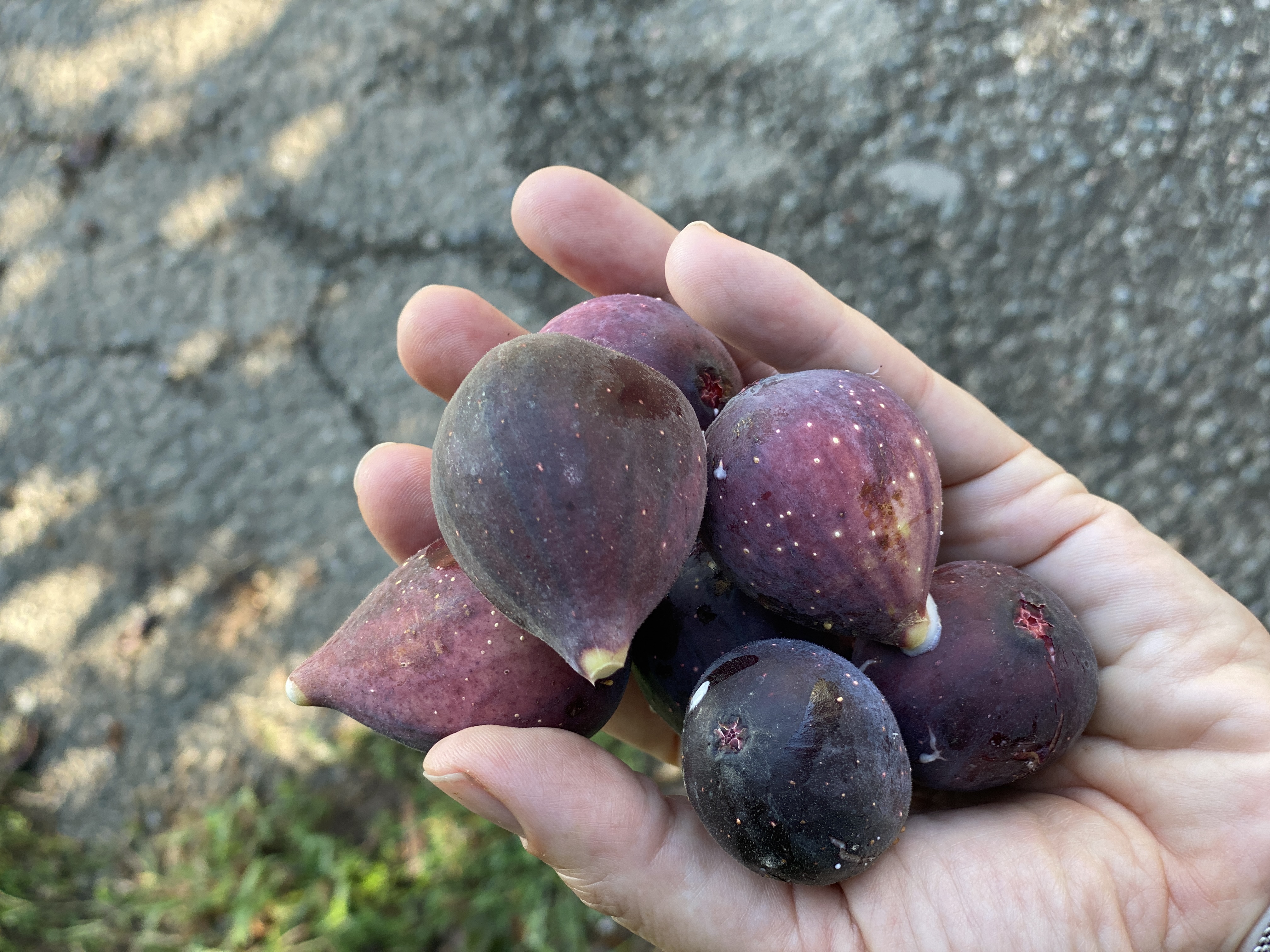
I'm nuts about fresh figs in a borderline unhealthy way.
I'll buy them in a pinch, but I enjoy finding an untended fig tree that casually drapes just so over a property line. And let me tell you, my neighborhood has several. I start the countdown a week or two before they're ripe and know by heart which tree is laden on which day.
No, I don't feel the least bit guilty about this.
This year's crop is delicious, and I find my brain buzzing whenever I walk up to my favorite tree (in an untended lot). It's dripping with figs, and some of the best are just out of reach.
I could bring a small ladder, I think. Maybe a bag to collect more.
My brain immediately starts thinking about acquiring, which is so strange if you step back and consider it. The tree has plenty. I don't need that many.
And, yet.
What's happening here is part of our 'accumulator' society. If something is good, more is better. Buy it in bulk. Store more than you need.
You might run out!
I once bought four pairs of the same sandals because I thought, omg, what if I can't find them again? That's just silly. I snapped out of it and returned two.
In the case of figs, despite being real food, there are good reasons not to keep too many on hand.
- They have a lot of sugar (for a fruit).
- I find them pretty tempting.
- I make desserts out of quantity and then eat those.
💡I don't rely on willpower. If I overeat something (beyond hunger), I limit my exposure to it. It's truly that simple.
I also practice radical acceptance. If I tend to make desserts out of an abundance of figs, that's what I do. This means I don't try to twist myself to be different or make bargains about how I'll be so good this time.
I am what I am. How can I work with that?
So I set aside plans of ladders and bags and decided to go home with what one hand could hold. I consciously employed what I've come to think of as a hunter-gatherer mentality: leave some for others, let the birds have their fill, and trust there will be enough for everyone.
The accumulator mindset says to grab them, store them, and consume as many as possible. The hunter-gatherer mindset says, "What do you need today?"
💡Which one feels lighter to you?
How did we become such rabid accumulators?
It's wild if you start looking at the issue. Our houses are filled to the brim, self-storage continues to grow at a record clip, and our landfills are so full we're just dumping trash in the ocean.
The plastic cast-offs from food products pain me the most. Bad for us, bad for the planet.
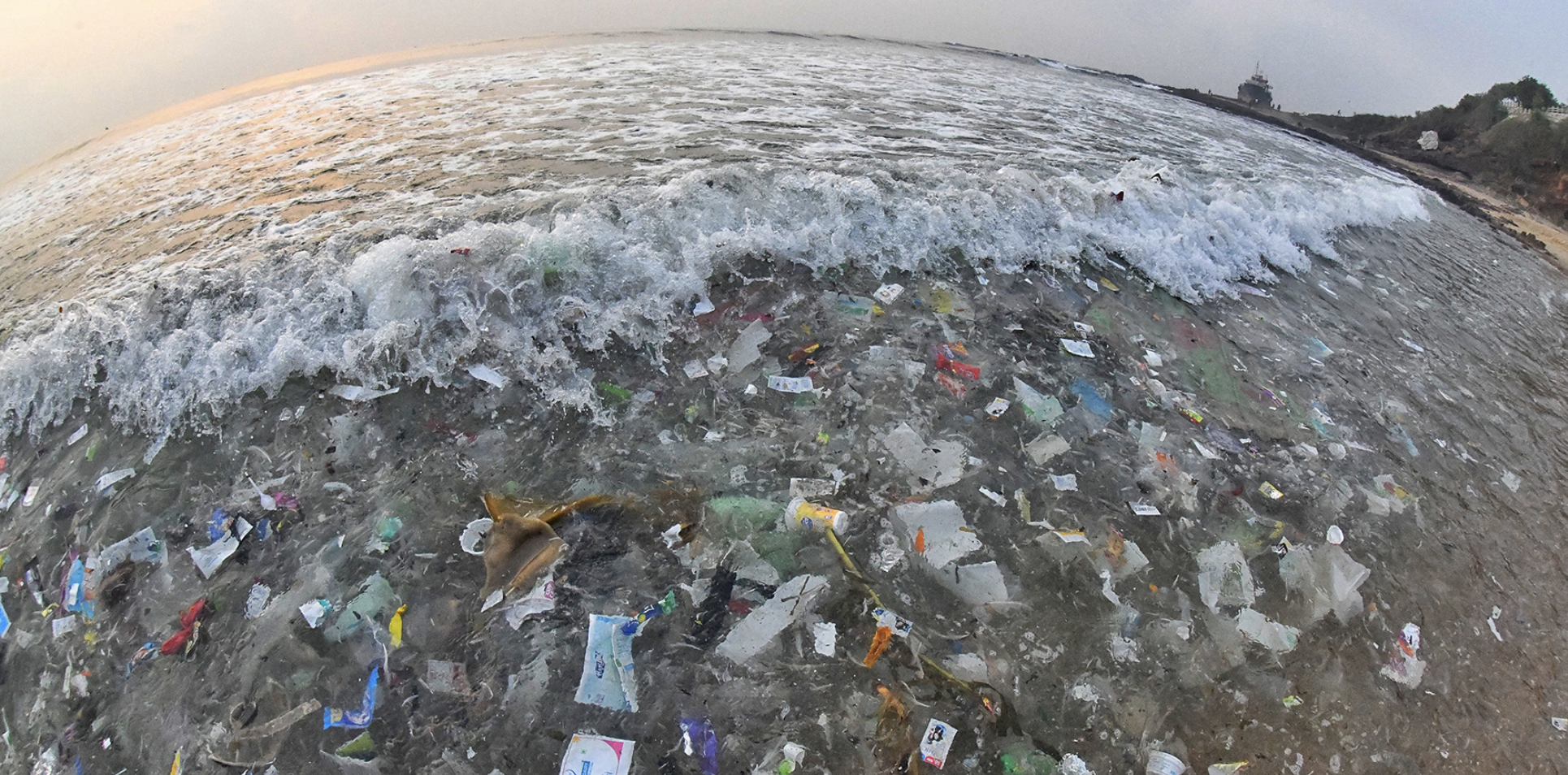
The short answer is the supercharging of modern capitalism. You're being suggested to buy products every minute of every day. Even if you only accept 1% of these suggestions, that's a lot.
But this isn't the root of the issue. This is just the modernization of it.
For that, we have to go back a little further to the transition humans made from hunter-gatherers to an agricultural society. Don't worry. I'm not about to get too granular, but it's worth connecting the dots.
In Civilized to Death, Christopher Ryan outlines what changed when we stopped traversing the world in a communal, take-only-what-you-need mindset to the land ownership and resource hoarding of agriculture and, eventually, industry.
It's illuminating and a window into our essential selves.
We live with the legacy of all of this within us. Our bodies function best with hunter-gatherers' movement and just-enough mentality, but everything about modern life encourages accumulation.
Even how we live–big houses, big cars, big box stores. Having, owning, wanting fills us from every corner of modern life. And IKYK, but there's never enough.
💡 There's one question not being asked enough (that applies directly to food). How do our things act on us?
In other words, does over-purchasing and storing change how you behave?
 |
There's one place where we can witness the transition right now.
There's a tribe in the Amazon that is opening itself to the world. Their oldest woman (her oldest child is 90) laments the loss of this just-enough ethos in the transition to modernity. Her statement about what makes life rich is a masterclass for us all.
“I like being in the forest, being at peace and in harmony,” she said. “Waking up to the dawn breeze, catching the tasty fish. All of this makes me feel alive.”
 |
Look, no one is ditching their lives and moving to the Amazon, least of all me. But I think about what is enough all the time. Conscious consumption is conscious living, and the construction of a life produces the desired outcome.
💡For my part, I use desire as a trigger to pause and consider: What is enough?
I'm suspicious or at least curious about my instinct to stock up.
- Yes, that tray of croissants at Costco looks so good (and I could give some away or not eat so many, haha), but one is more than enough. Pass.
- Yes, I can buy four sesame butters to get a discount/free shipping, but how much of that do I want to come into daily eating?
I try to move through our modern world like our ancestors once did in their ancient one—in tandem with the seasons, my hunger, and allowing abundance without possessing it.
Apply This To Your Life
The best answers are inside of you. Thoughtful self-reflection provides the framework for living in alignment.
Here are yours to consider: