And, it's disrupting your hunger, satiety, and metabolism.
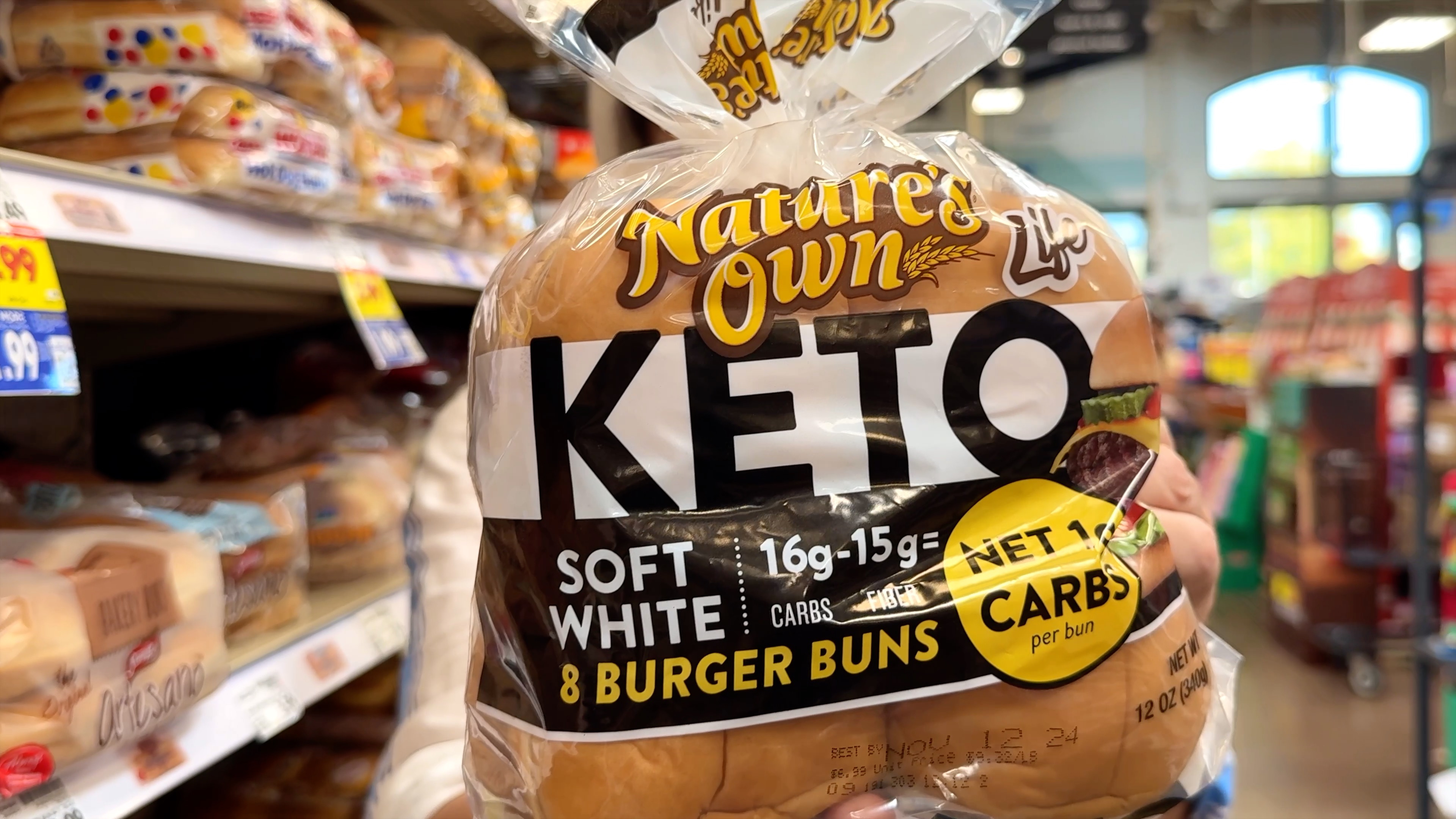
Come with me to the grocery store. Video two is live and less than 15 minutes.asd
Submit a query to the FB Group
Two facts to shift your thinking: ultra-processed foods make up 57% of the American diet, and people who eat them (nearly everyone) consume 500 more calories daily.
Whoa.
This is a perfect example of food acting on you. We're so accustomed to food being a personal choice (I've been good, I've been bad) that we've not stopped to reverse the question: what foods allow me to eat naturally, and which don't?
I have–it's the secret to the longevity of my weight loss (55 pounds, 14 years, and counting) and the basis for this framework.

Why have ultra-processed foods become normalized?
I have three theories.
1. Calorie counting. When the predominant way we understand food is by units of energy, it distorts the effects of the food.
The problem with equalizing Oreos and apples is that it peddles in fiction. One acts on you. It compels overeating by the way it’s processed. People who consume ultra-processed foods eat an average of 500 more calories per day.
You can’t outthink food that does that to you. At least, not for long.
2. Enormous grocery stores with strategic product placement. We now walk through vast spaces to grocery shop. They'll tell you that's about 'consumer choice.' It's actually about profitability. UPFs are extremely profitable. That's why grocery stores are the size of airplane hangars (and that's why UPFs are constantly displayed on end caps and at registers).
3. A misunderstanding of mechanized food. We think of food in a package as a shortcut, meaning someone took some steps out of what you would do in your kitchen.
Not so. The ingredients used, how they are reassembled, and the final product barely resembles what you can make at home.
Ultra-processed foods are formulations of ingredients, mostly of exclusive industrial use, that result from a series of industrial processes (hence ‘ultra-processed’).
Ultra-processed foods are defined by (me) as:
- A food product you could not replicate in your kitchen.
- Using ingredients unavailable to you as a consumer.
- Have highly processed added sugars like high fructose corn syrup and artificial sweeteners, even in a savory item.
Resources
- What are ultra-processed foods, and why are they bad for you? (https://www.vox.com/future-perfect/370257/ultra-processed-food-obesity-disease-depression-anxiety)
-
When plant foods are ultra-processed, the health benefits disappear (WaPo)
-
56 Kinds of Sugar
-
Ultra-processed foods: what they are and how to identify them (NIH)
-
Oatly: The New Coke
|

Hi, can I ask a small favor?
I'm teaching this series to help grow my reach thoughtfully and organically. Would you send this email to a friend?
They can sign up here.
Next week, we'll discuss highly processed foods. Not the life-sappers of UPFs but highly problematic for weight.
I'll explain what they are and ways to spot them easily.
Last week: