1. Grinding wheat into flour changes how you absorb calories. 2. What about if it's whole wheat?
3. What about brown rice flour?
4. My approach to eating flour-based foods.
There's an endless debate over the health of refined flour products.
Are they 'bad'? No.
Are they 'good'? Also, no.
I've watched umpteen influencers, dieticians, and nutritionists on the subject. Some were helpful, others had a POV (look at me eating pasta!), and the rest were mostly nonsense.
All missed the point.
What others (and I) really want to know is what effect flour-based foods have on weight and, of course, general health?
Grinding = Processing.
Turning whole wheat berries into flour changes the glycemic index and the number of calories you absorb.
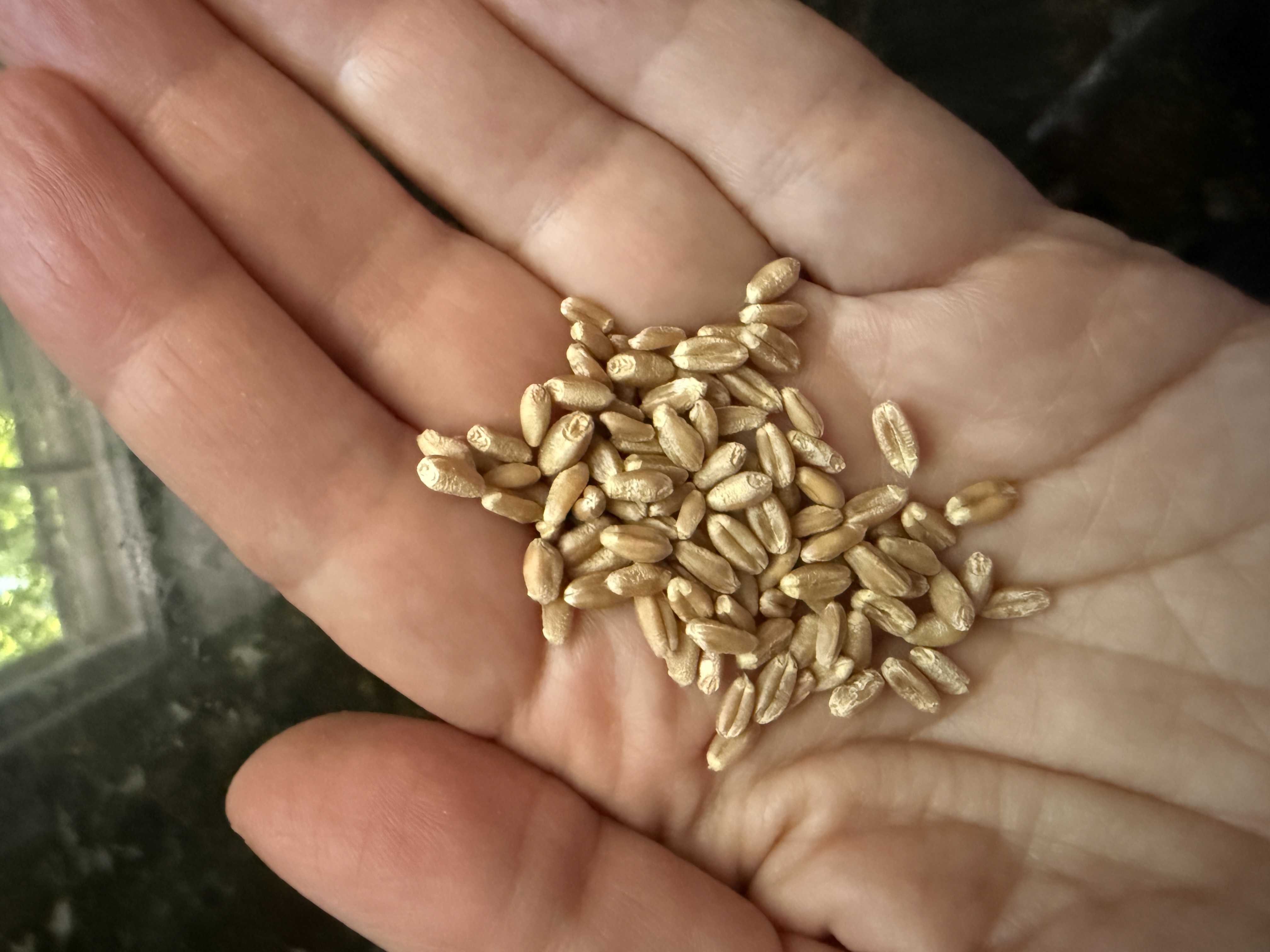
Additionally, and this is super important, the only whole wheat is the image on the left. The terms "whole grains" and "whole wheat" on bread or pasta are misleading. If it's been ground, it's not whole.
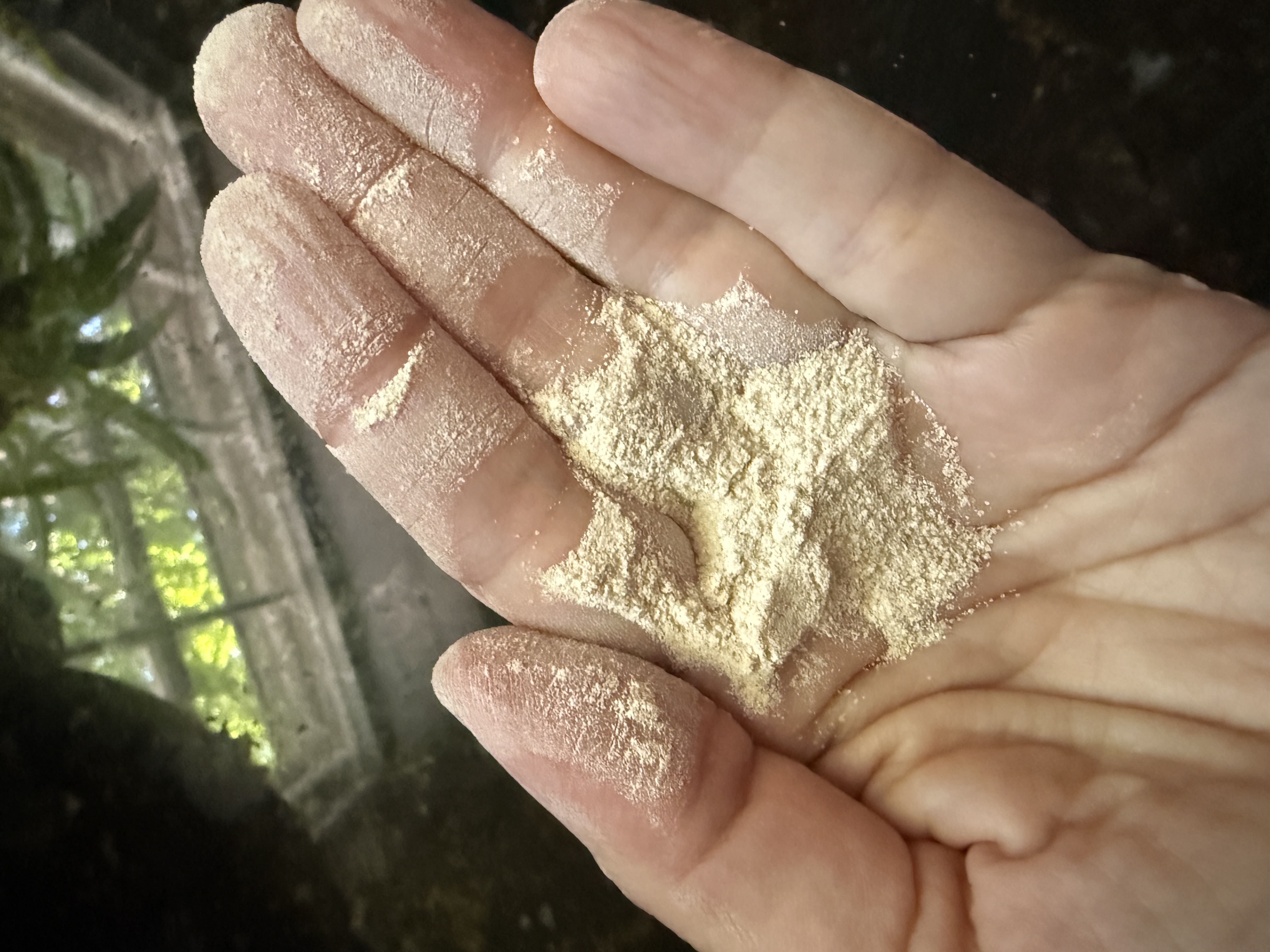
It was ground from whole wheat. That's accurate.
Human beings invented bread and pasta to have more calories available to them. The origin of flour-based foods isn't a bug. It's a feature. People needed all the calories they could get.
Whole wheat flour does have more fiber, but not as much as you might think.
One cup of whole wheat berries = 24 grams of fiber
Once cup of whole wheat flour = 13 grams of fiber
Once cup of unbleached white flour = 4 grams of fiber
So, grinding flour does affect the macros and, by extension, how the food behaves in the body.
In reference to the chart above. The whole berries are green, the flour is orange, moderately processed. Meaning, pasta and bread have a place in a midlife, healthy weight diet, a small one.
A word about quality, this is where being a little bit of a snob will help you. Handmade sourdough, durum semolina pasta, and homemade wheat bread fall into moderately processed.
Anything else is highly or ultraprocessed. That includes the protein added, boxed mac n' cheese, honey wheat English muffins, and commercial whole wheat with added sugar.
Pretty much the entire commercial bread aisle.
Do flour-based foods promote weight gain?
They do. Especially when you combine them with menopausal insulin resistance, and eat them daily.

But!
It's absolutely possible to eat them while ensuring a healthy weight.
- Choose quality flour-based foods. The important clues are the fiber count and the lack of added sugar/industrial ingredients.
- Add them to whole foods. Beans, veggies, and meat make you feel full and slow the absorption.
- Reduce the portion of the refined foods, but not the whole ones.
- Not on an empty stomach. Have a salad or plain nuts before the meal.
- Not every day. My rule of thumb is three times a week. Make it count.
My take on different pastas and how (or if) I would consume them.
The made from beans kind.
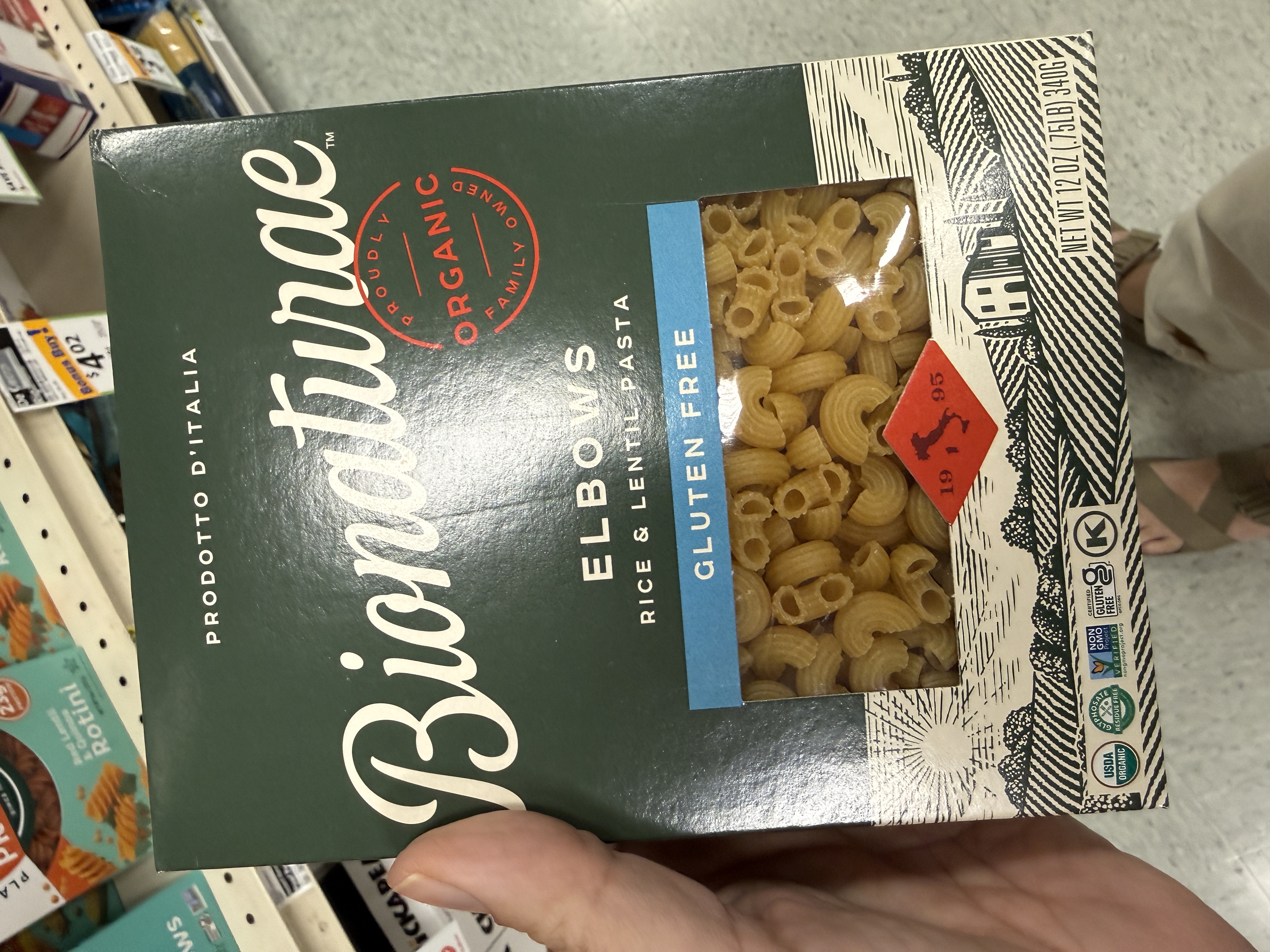
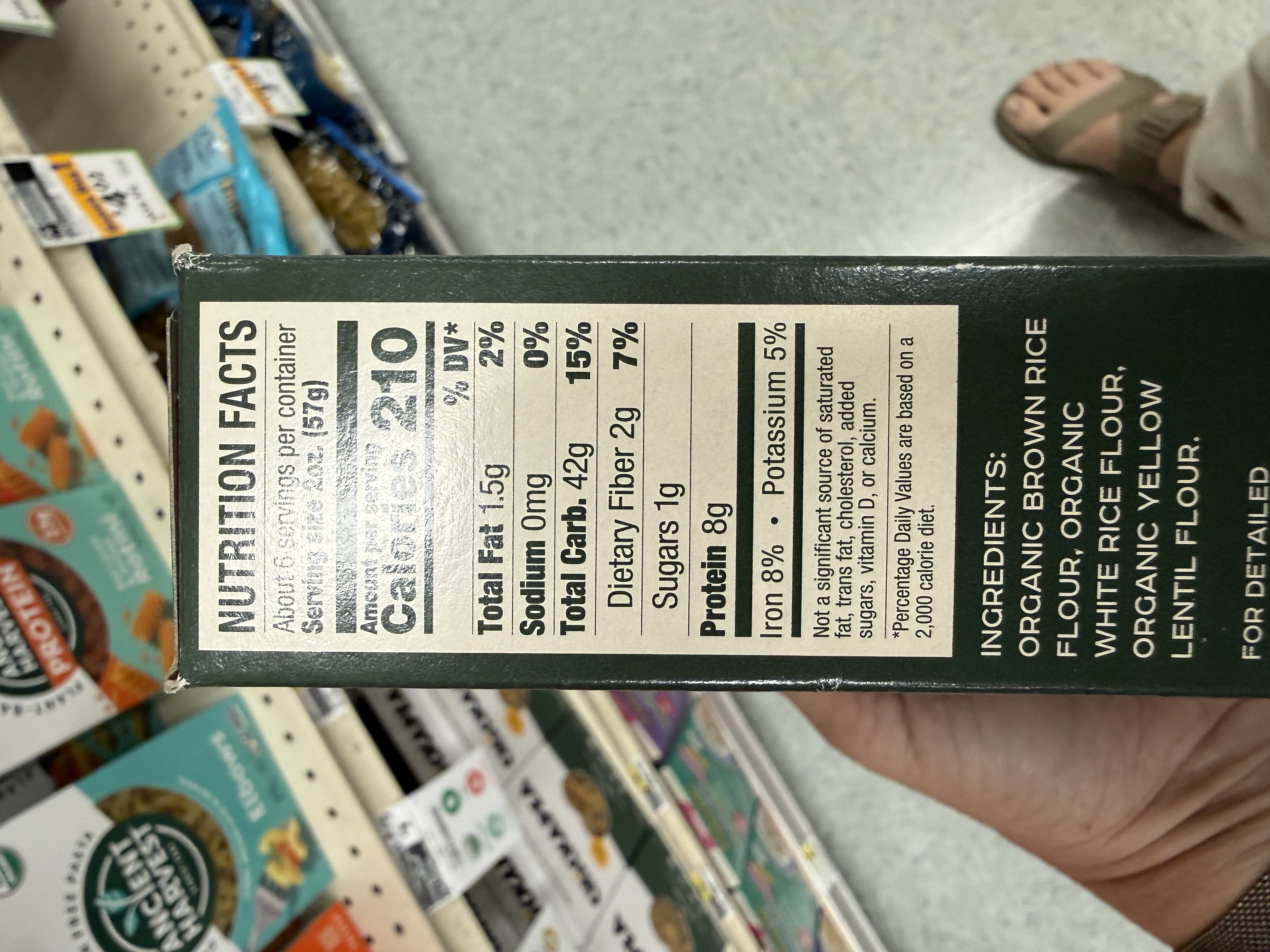
Bean flour is still moderately processed. It's not a huge boost to health. Also, this pasta is predominantly brown rice flour, and lentil flour is the last ingredient.
Would I eat it? It's a pass for me. I like durum semolina pasta, and I can't fool myself into thinking health food. Pleasure is an important aspect of food, and I would rather have what I like with beans added than this marginally better product.
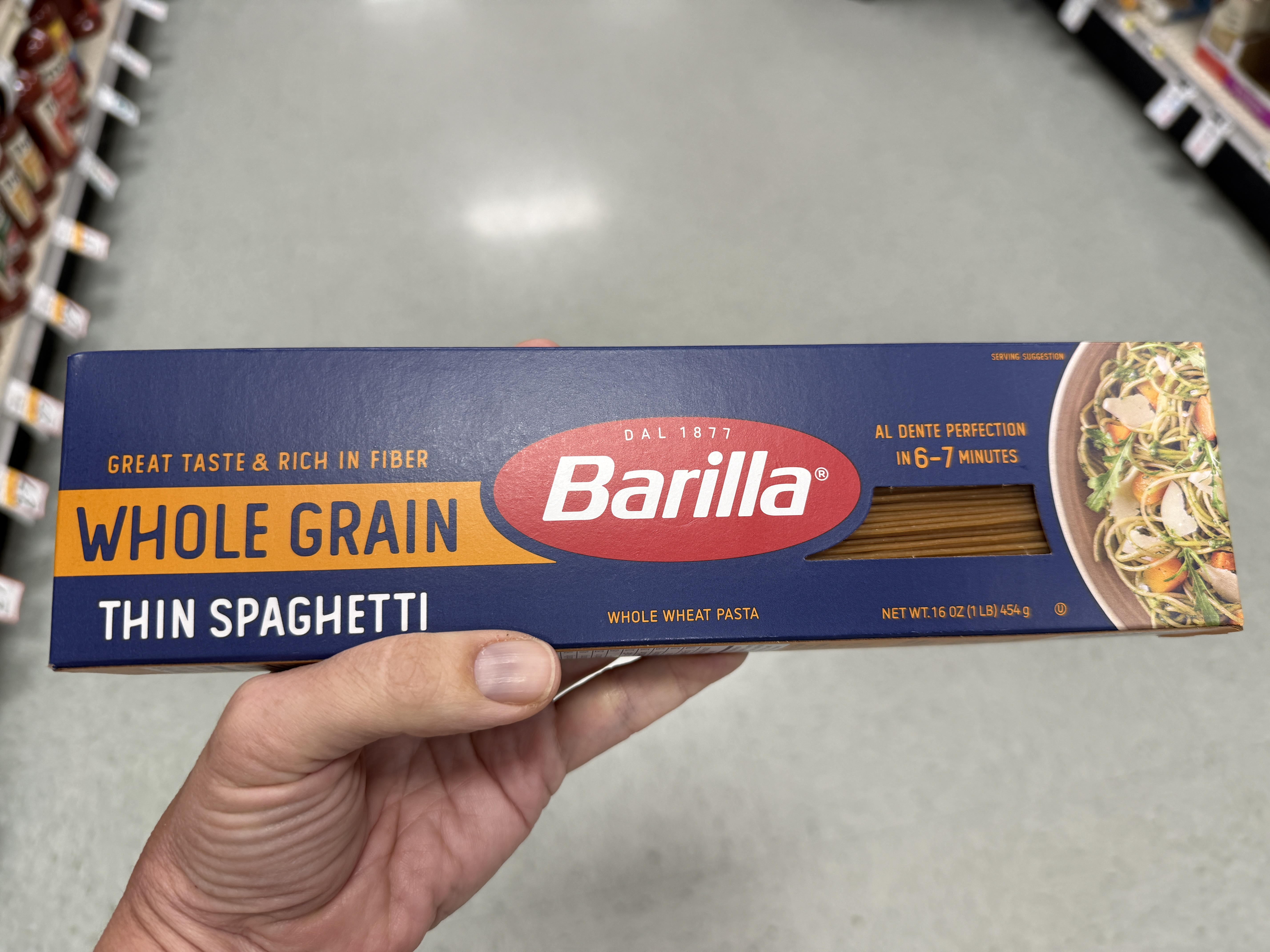
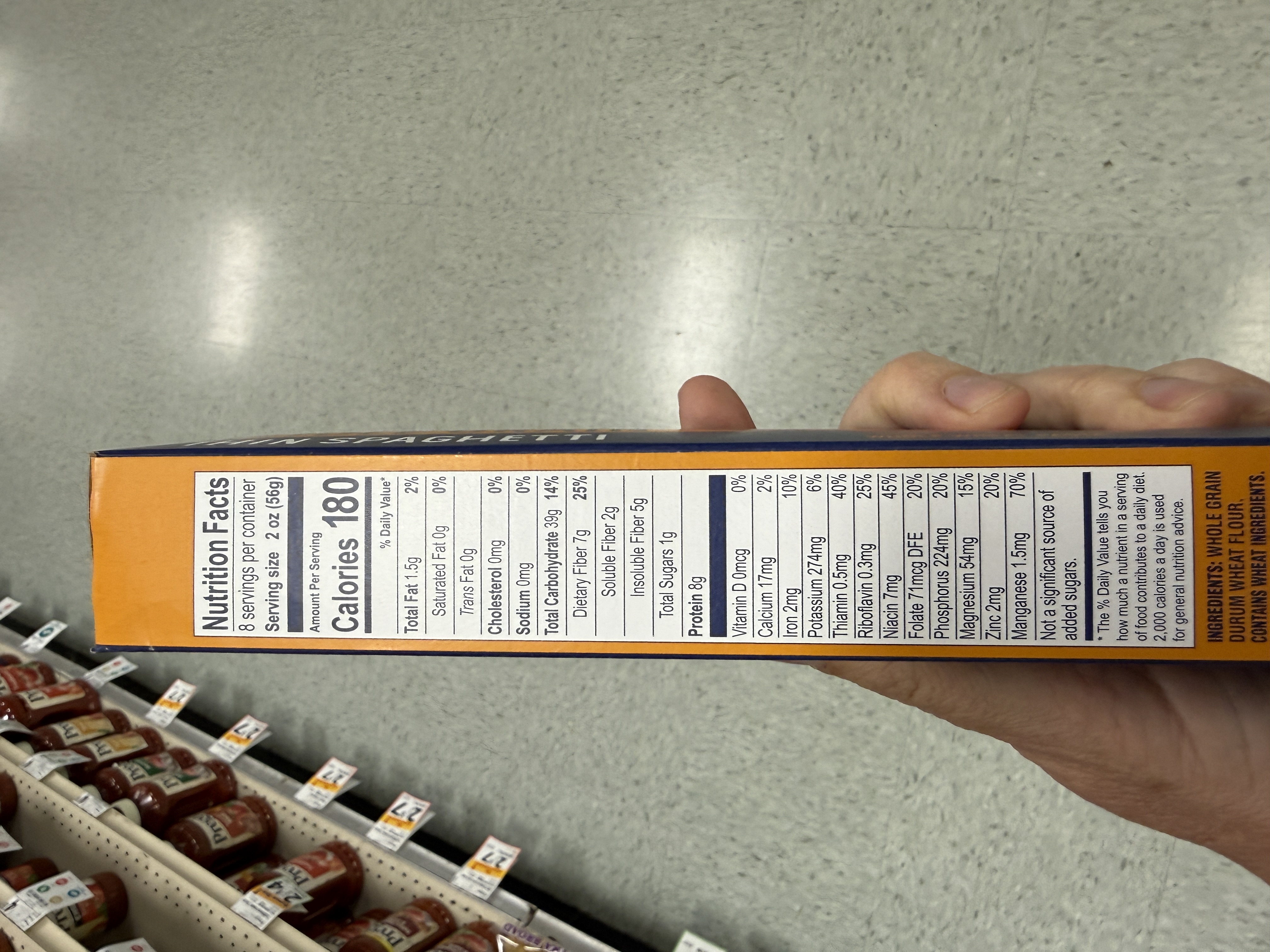
The whole wheat kind.
I have to give it to Barilla for this one. It does have a decent amount of fiber (many do not).
If you don't mind the taste of whole wheat pasta, this is closer to a heritage food than moderately processed. It has more than triple the fiber per serving than a durum semolina pasta.
Would I eat it? Still, no, but only because I don't like whole wheat pasta. This one is just personal preference. If I did, I'd still add beans or a protein.
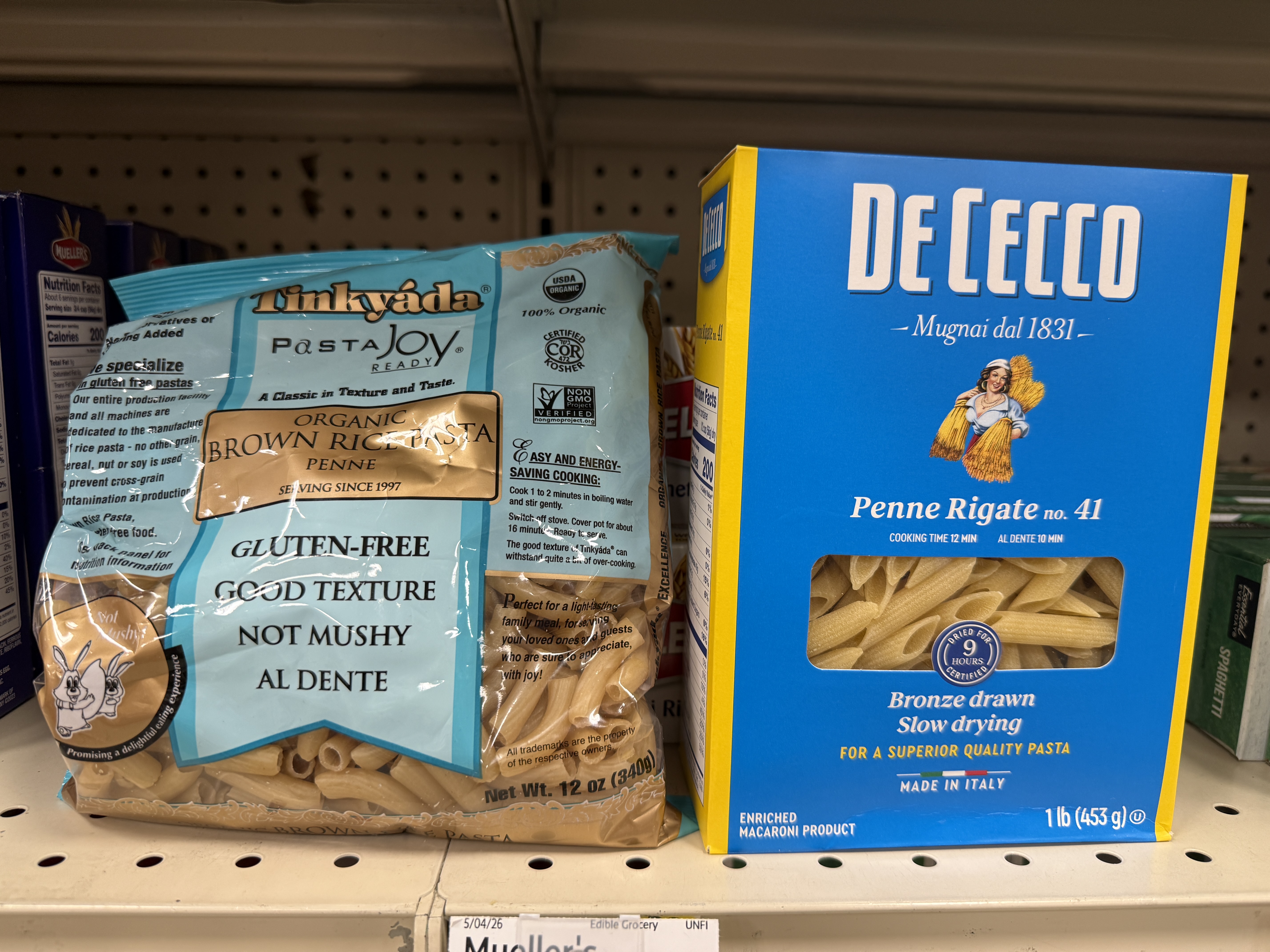
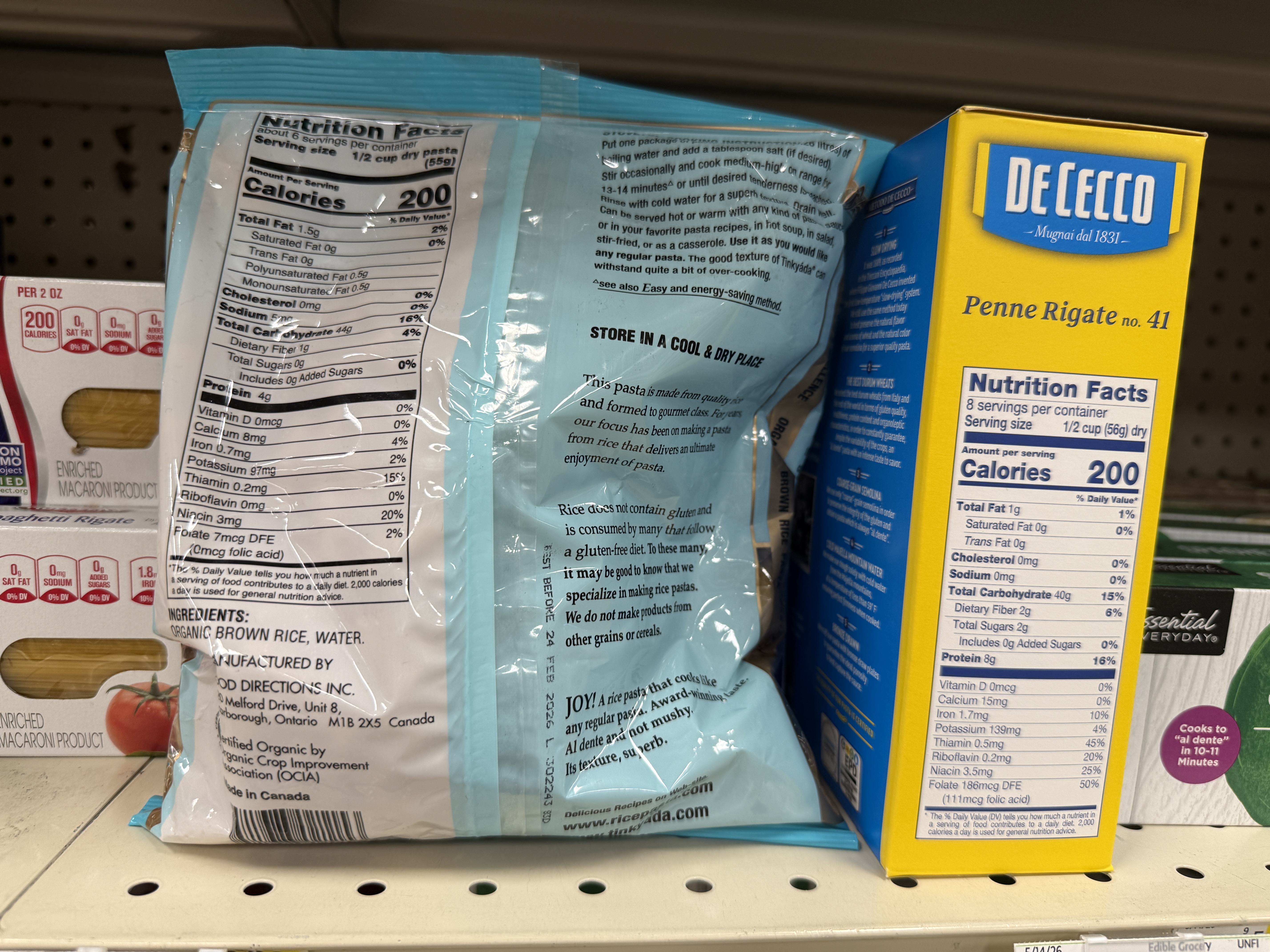
The blue box (durum semolina) or the brown rice pasta?
From the standpoint of processing, they're about the same. Both are moderately processed, which should make up about 20% of your total diet. Crucially, their fiber content is identical.

If you're wondering how European women stay slim while eating pasta, it's this: they eat it the way I do: in combination with whole foods and a smaller part of their overall diet.
Would I eat it? Yep, both of them. I like brown rice pasta with non-traditional sauces like these Gochujang Buttered Noodles, which I like to eat with sautéed greens.
Last tip. Eat your refined carbs at lunch. I don't know why, but it seems to have less of an impact this way.
Members, I'll see you tomorrow for an It's The Food meetup. Bring your grains and let's talk about them!
Yours in joyful eating and living,
Rebecca ✌️
PS. This is truly amazing.