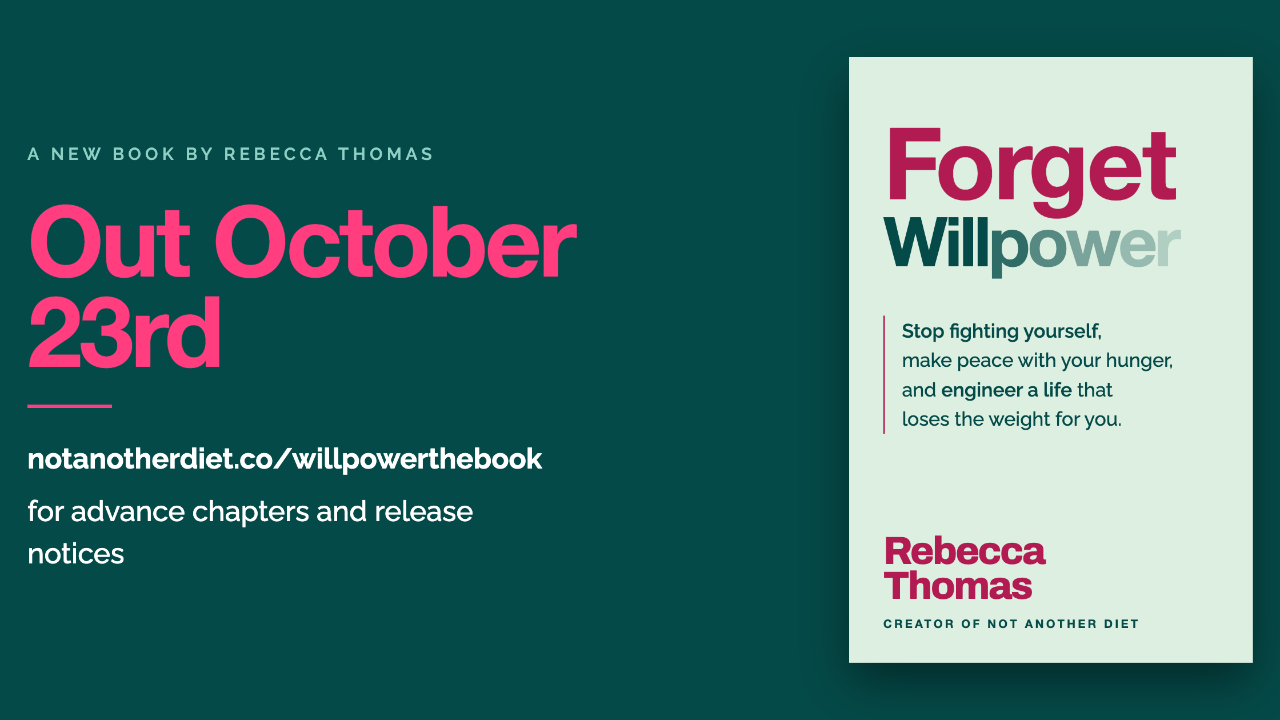
This is the most radical thing I've done since founding—not another diet. I'm giving away one of my most valuable tools, which took me over a decade to develop.
TLDR: If you're a free subscriber, you'll get the food processing lessons by email for free (limited availability after that). If you're a paid subscriber, you'll get the lessons as a course for free when I package it up in November.
|
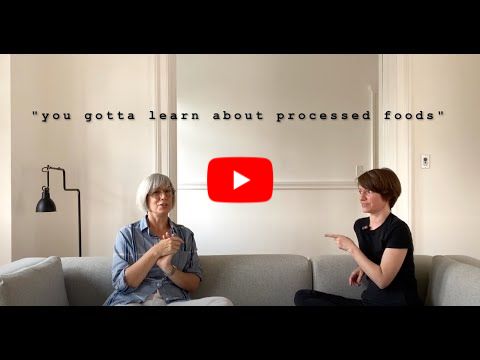
"Your definition of processed foods alone is profound yet clear. It's rare that people can think about and live something deeply and then explain it so simply."
Fifteen years ago, I started asking a simple question: what am I eating, and what is food, anyway?
The answer unfolded over several years, and it changed my life.
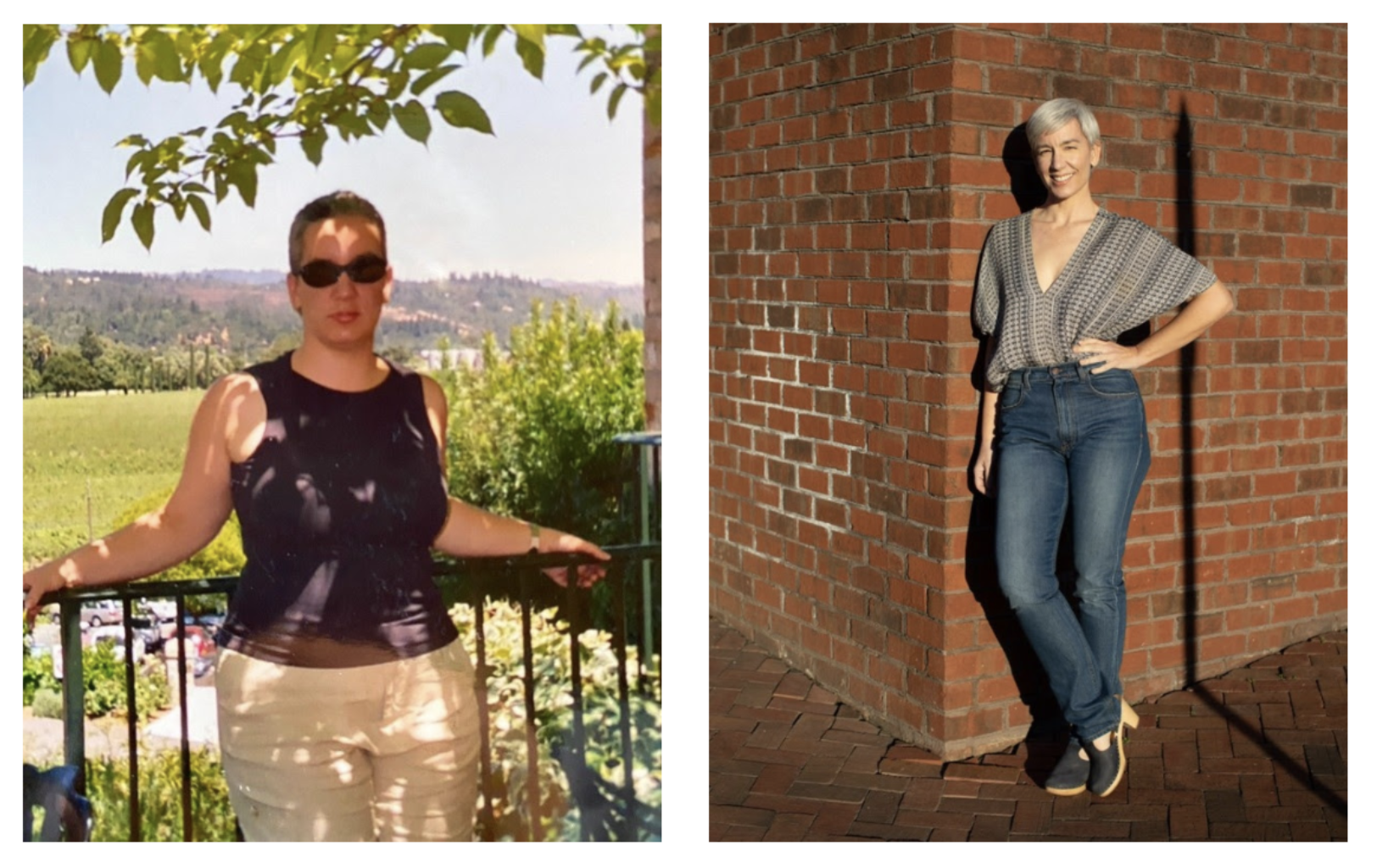
The questioning began in 2009 when I vowed never to diet again. I had gained and lost, and gained some more, and lost some more, and then gained it all back and then some. This awful cycle began when I was thirteen years old and ended at age 39.
I was weary of apps (even then!) and unwilling to attend motivational meetings, track my food, pretend I could live without carbs, or fast. The list is probably longer, but that's enough to help you understand–I was done.
I made a pledge to myself that still holds: I wanted to eat when I was hungry, stop when I'd had enough, and have that produce a healthy weight.
I was significantly overweight when I made that pledge, with no idea about how to accomplish this.
Instead of another restriction scheme, two subjects held my attention. Why were we struggling with obesity when our ancestors did not, and what are these products I'm eating?
Are they doing something to me?
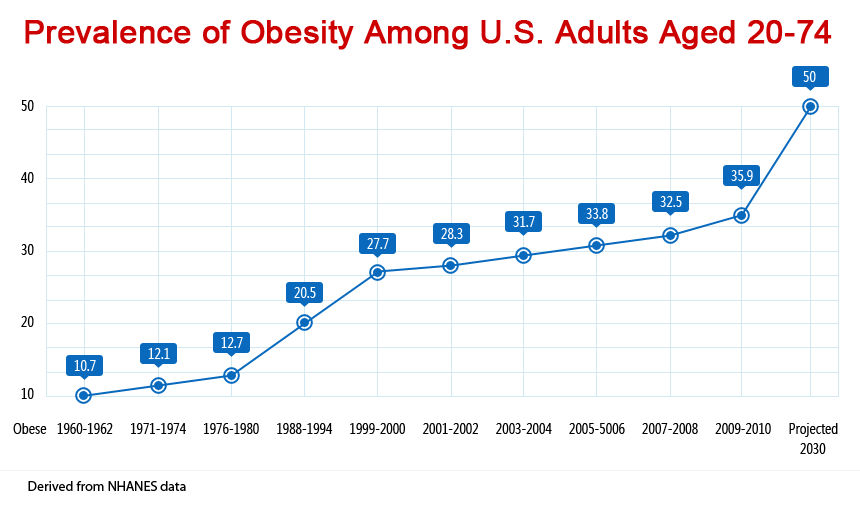
The short answer is, most definitely, yes. What is discounted and obscured at every turn is that food has changed radically, and our bodies have followed suit.
Food processing is the elephant in the room, guiding behavior, upending satiation, creating metabolic havoc, and ultimately, emotional distress.
Diet culture is an invention to (poorly) deal with the effects of food processing, not simply abundance, as everyone believes. But life is not a math problem. Counting calories is an invention unique to the food processing era.
What if you could choose foods that don't require restraining yourself?
I figured out how to evaluate food that didn't require portion control. Functionally, that was walking up and down the grocery aisles, trying to figure out what I was really looking at.
The result is a fully fleshed-out system that quickly and efficiently categorizes food into a 5-part system based on food processing.
What I know for sure is that what is done TO a food significantly affects satiation and weight. It's the thing upending everyone.
This understanding helped me lose 55 pounds at age 40. You know, that time when it's supposed to be impossible because of hormones/age/perimenopause. It practically slid off of me.
I was so happy I wondered why anyone was still dieting when you could have this.
Truly.
This way of understanding food was a major life upgrade. I was (and still am) eating plentifully. Cheese, butter, whole milk, and eggs came back into my life without the slightest reservation. I understand which carbs don't cause a problem and why (it's the processing). I eat breakfast, lunch, and dinner with snacks. I listen to my hunger. I've stopped worrying.
Now, I'm inviting you to consider that simple question: What is food?
What do you want it to be for you?
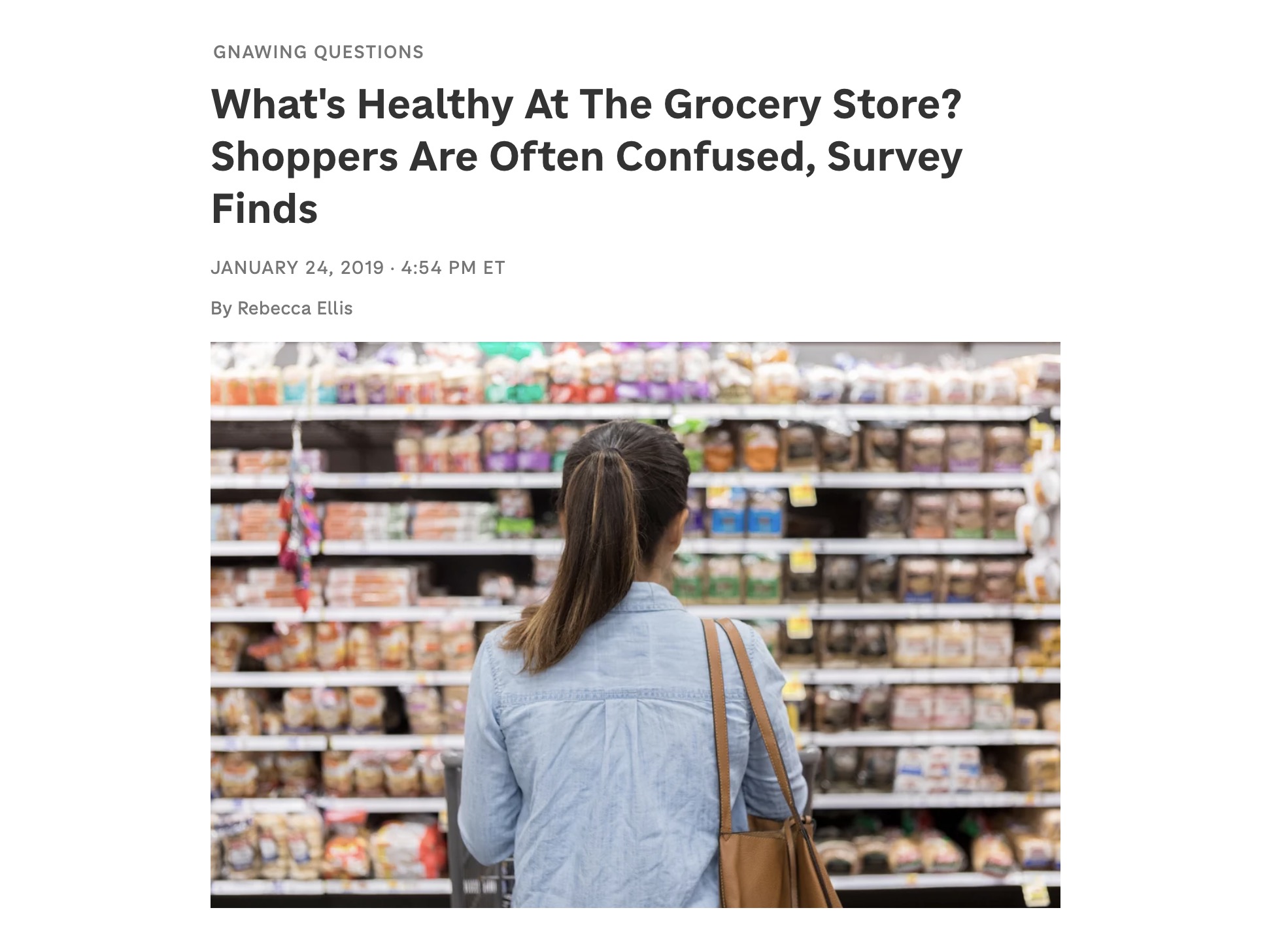
Picture this: you're walking through the grocery store, and this new thing is displayed. It looks good, has a tempting label, and is next to some apples. You pick it up and think, "Is this healthy?"
How do you know?
I'm going to teach you my 5-part system for FREE.
No catch.
Why am I doing this? Two reasons.
- My mission is to end generational diet culture by making a healthy weight clear and achievable.
- I want to grow my reach thoughtfully and organically.
Will you help me?
These lessons are entirely free for a limited time. Anyone can sign up at notanotherdiet.co/itsthefood
 |
Please:
- Share this newsletter or the site above on social media.
- Send it to a friend.
- Tell someone.
Next Friday is lesson 1: How did we get here? It will cover the value of an ethos, how diet culture and food processing are symbiotic, and a full breakdown of wheat and wheat products with the 5-categories.
I can't wait!
🧡
Rebecca