As with most categories, marketing has skewed our thoughts about whole or unprocessed foods.
That's made spotting them harder, but I'm here to help. I spend an enormous amount of time trying to simplify a complex, hazy, and unreliable food system so that you can have what I have–food freedom.
Food freedom is the ability to eat when you're hungry, stop when you're not, and have that naturally produce a healthy weight.
It's not a utopia–it's your birthright. It's how mankind lived and ate until the advent of industrial food processing.
This chart below from lesson one is an excellent reminder that the obesity crisis is a relatively new problem in humankind (and why diets are nonsense).
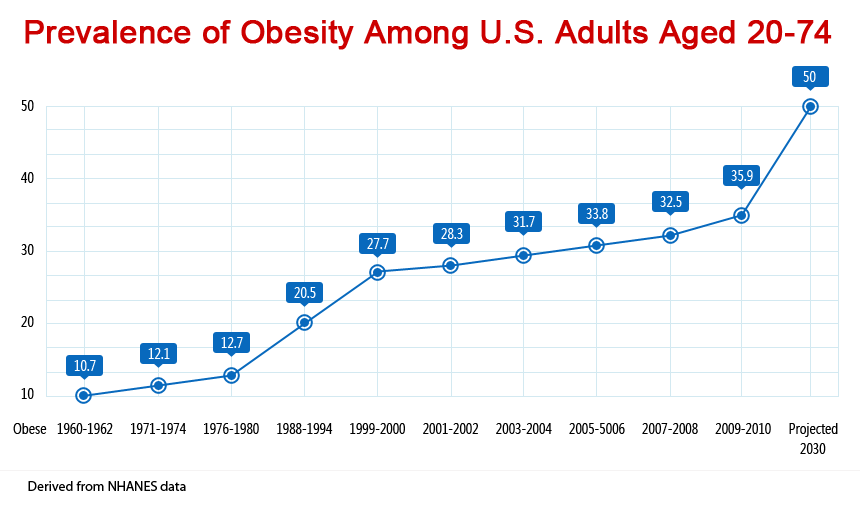
As I often say, it's the food. What's happened is the proliferation of cheap, ultra-processed food products that now occupy 57% of our collective intake. This video provides an excellent explanation in under two minutes.
Ok, what does this have to do with whole and unprocessed food?
It's simple. The percentage we eat has replaced the Western diet that whole, unprocessed food used to occupy. This is what's happened to our bodies. Not hormones, caffeine, internal setpoints, or a lack of willpower. It's the food.
It's not all doom and gloom, though. Let's discuss what real food is and why it will enormously impact your body and life, allowing you to let go of dieting.
Key points:
- This shatters the myth of a food product being good for you because of the health of the source ingredients (oats to oat milk is a good example).
- Remember Michael Pollan's advice, "Eat real food, not too much?" One is possible because of the other.
- To get your health in order, you only need the skill to discern ingredients from products. Okay, you could also cook.
How to work with me:
- Learn to make real food–without recipes, gadgets, or hours of prep.
- Take my sugar course 🍭
- Individual coaching sessions (one or three).
- Hit reply and ask me a question!
Whole and unprocessed food is remarkably simple:
Picked, harvested, slaughtered, or fished as close to its original state as possible 🍎 🥬 🥩 🎣
To achieve a healthy weight without dieting, your diet should consist of whole, unprocessed foods. A rough estimate is between 60% and 70%.
Eating whole and unprocessed foods is why I've maintained a healthy weight without going hungry for almost fifteen years (through menopause!). It's why I can eat cheese, eggs, and butter daily and not gain weight. It's also why my cholesterol and blood sugar have remained stellar all these years.
This is food your body understands and can regulate itself.
Let's dive into the categories.
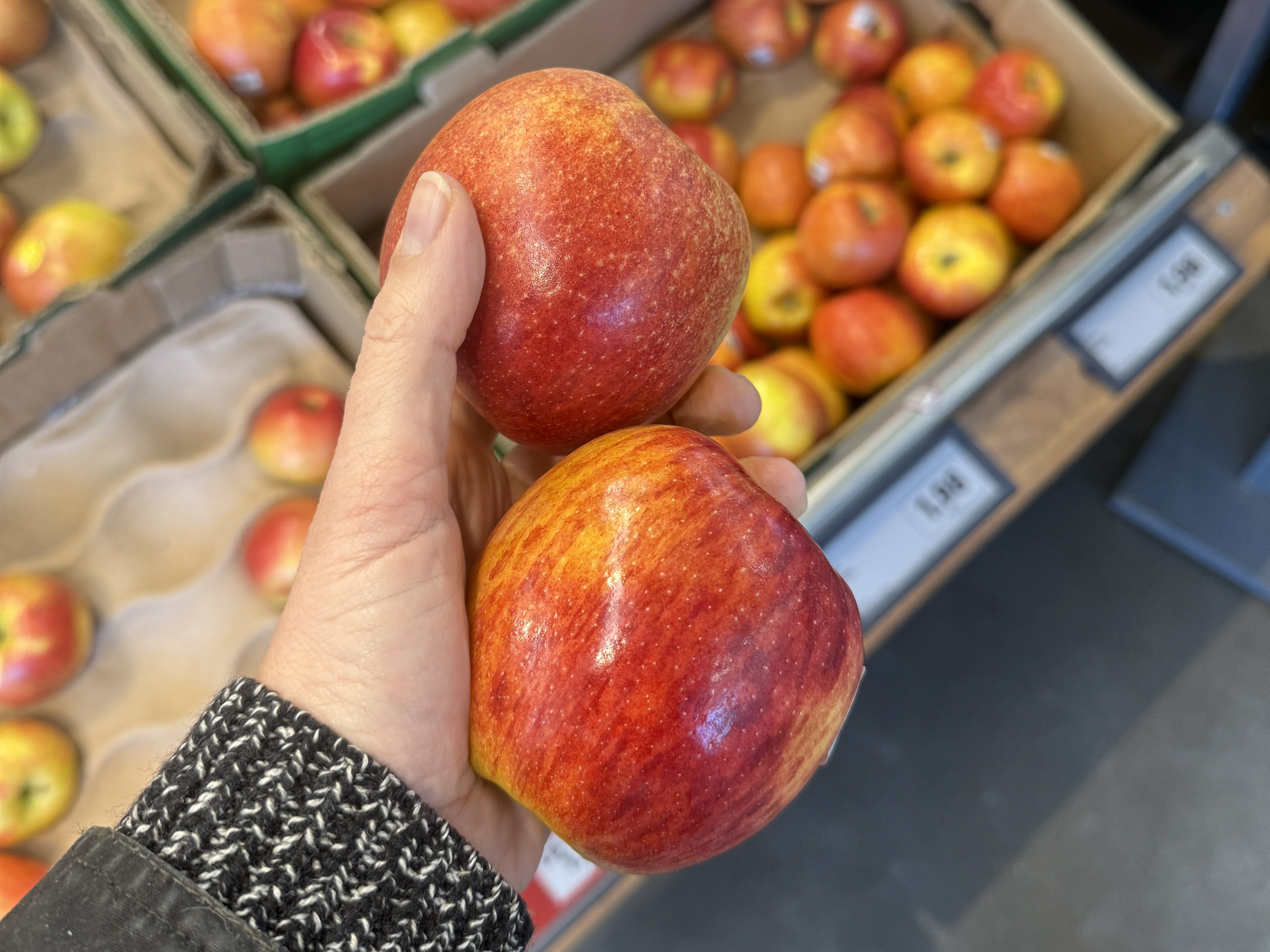
Picked. This is precisely what it sounds like. The food was picked manually or by machine, and you purchase it intact.
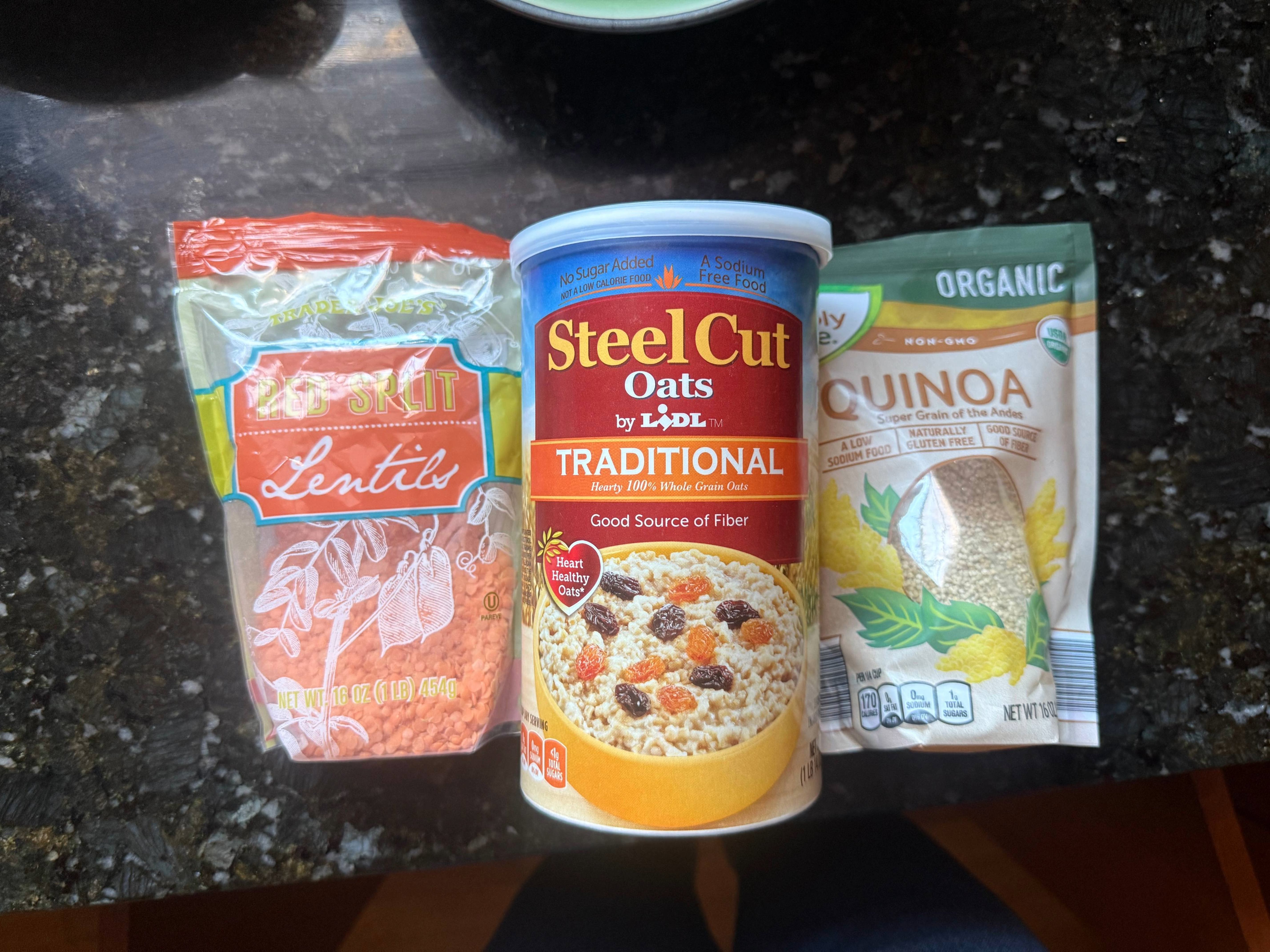
Harvested. This category is reserved for multiple items pulled from a plant. Here, there are steel-cut oats, lentils, and quinoa. How you buy them is pretty close to how they're harvested (unlike white rice). Plain nuts are another example.
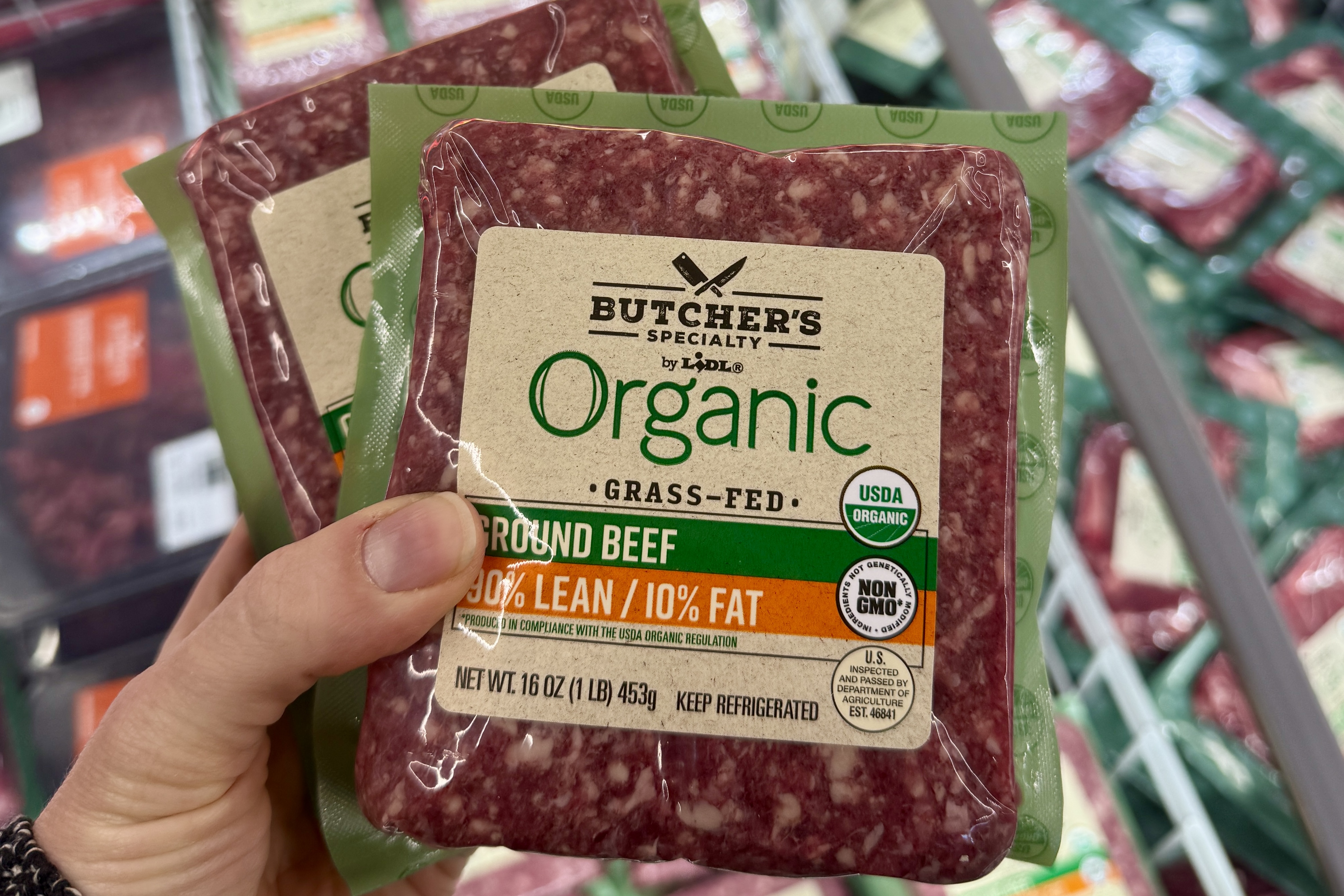
Slaughtered. It was an animal, and now it's been taken apart. It can be ground as shown but should not have any flavorings added to it.
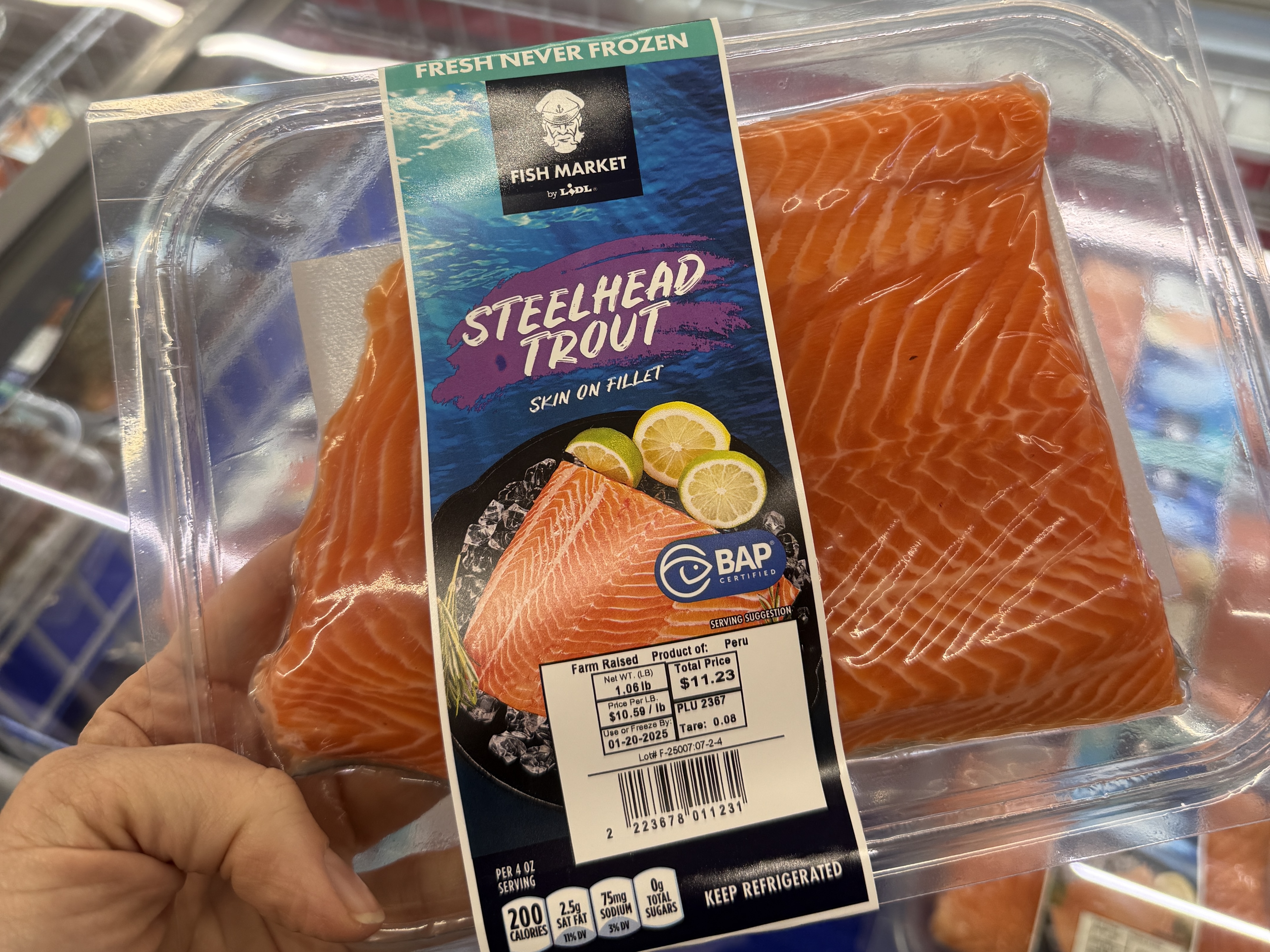
Fished. It was a fish, and now it's fresh, dried, or in a tin (with only heritage ingredients).
Before you write this off as too difficult or not tasty, please know that if either were true, I wouldn't have stuck with it all these years.
I love my food and the body it produces, and I never, ever think of dieting, 30-day challenges, fasting, or anything else to control my eating.
Here's the tidbit you really need to know: Most of you will look at this list and think, "Yeah, I already know this is healthy food, but I still need to diet to lose weight."
No, you don't. This is what the diet companies won't tell you, but I will. If you make whole foods the basis of what you eat (see the chart below), you don't need them.
Lastly, this is why I have an intuitive cooking course using only real food. The kitchen is the key to escaping this mess, meaning cooking has to be simple and fun. Yes, that was an ad, but a gentle one because I love you.

Resource:
Need more ideas? I dig this list. However, note to the author that there's no unprocessed cheese. It can be heritage food or ultra-processed, but there's always a process in making cheese.
My plans for this newsletter.
There are so many topics I'd like to write more about. The challenges abound, don't they?
In 2025, I plan to invest heavily in my premium newsletter. I plan to increase the publishing schedule to three times a month (up from two) and include one video monthly.
I have a question for you. I'm considering moving it to Substack because the features and functionality are superior there. Would you prefer reading it there, or does this work well enough?
Some future topics:
- Alcohol and the challenge it presents to health and weight with practical ideas for reduction.
- What can you expect to learn from a glucose monitor, and what shouldn't you use it for?
- The top 5 things I see from clients who tell me they're doing everything right and can't lose weight.
- Spoiler on one of them. Why smoothies aren't a great idea for most people. Not the worst, of course. But something that adds to the difficulty of losing weight.
- What we can learn by placing food back into its cultural context. I got this idea from seeing photos of Japanese meals. We worry so much about carbs(!) without thinking, what is the proper context for this food?
Members get access to ALL the content, can make comments, ask questions, and more.
Jump in. Membership has its benefits (there's a throwback!).
And send this to a friend!
🧡
Rebecca, founder of not another diet