Hooboy, the news is grim for salads these days.
I went to Whole Foods to buy a head or two of organic lettuce but found them looking too forlorn to take home. I guess no one wants to take a chance these days.
That's a shame because those heads offer a safer option for those unwilling to forgo a daily salad (me).
Here's why:
In the face of multiple outbreaks involving fresh produce, choosing whole heads of lettuce and washing them at home is a reasonable way to reduce risk. Strip off and throw away the outer leaves, wash the leaves you plan to eat under running water and dry them in a salad spinner or with paper towels.
Whole lettuce heads undergo less processing than commercially bagged lettuce, which means fewer chances for exposure to microbes that can make people sick. That's also true of locally grown produce. Local produce usually comes from smaller farms and gets to your plate in fewer steps, so it tends to be safer than mass-produced fruits and vegetables.
Some people never skip leg days (or shouldn't); I never skip salad days.
A daily salad is a keystone habit. That means it does more than fill a plate. It crowds out the less healthy stuff, gets you shopping for produce on the regular, and quietly stacks up fiber, nutrients, and better digestion, one bowl at a time. Small, repeatable, and outsized in its effect on everything else you eat that day.
COOK! Module: A Daily Salad 🥗 is a Keystone Habit
What constitutes a salad is nearly endless.
I suggest 1-17 vegetables, cooked or raw (or both), possibly a protein, maybe a grain, tossed with a yummy dressing.
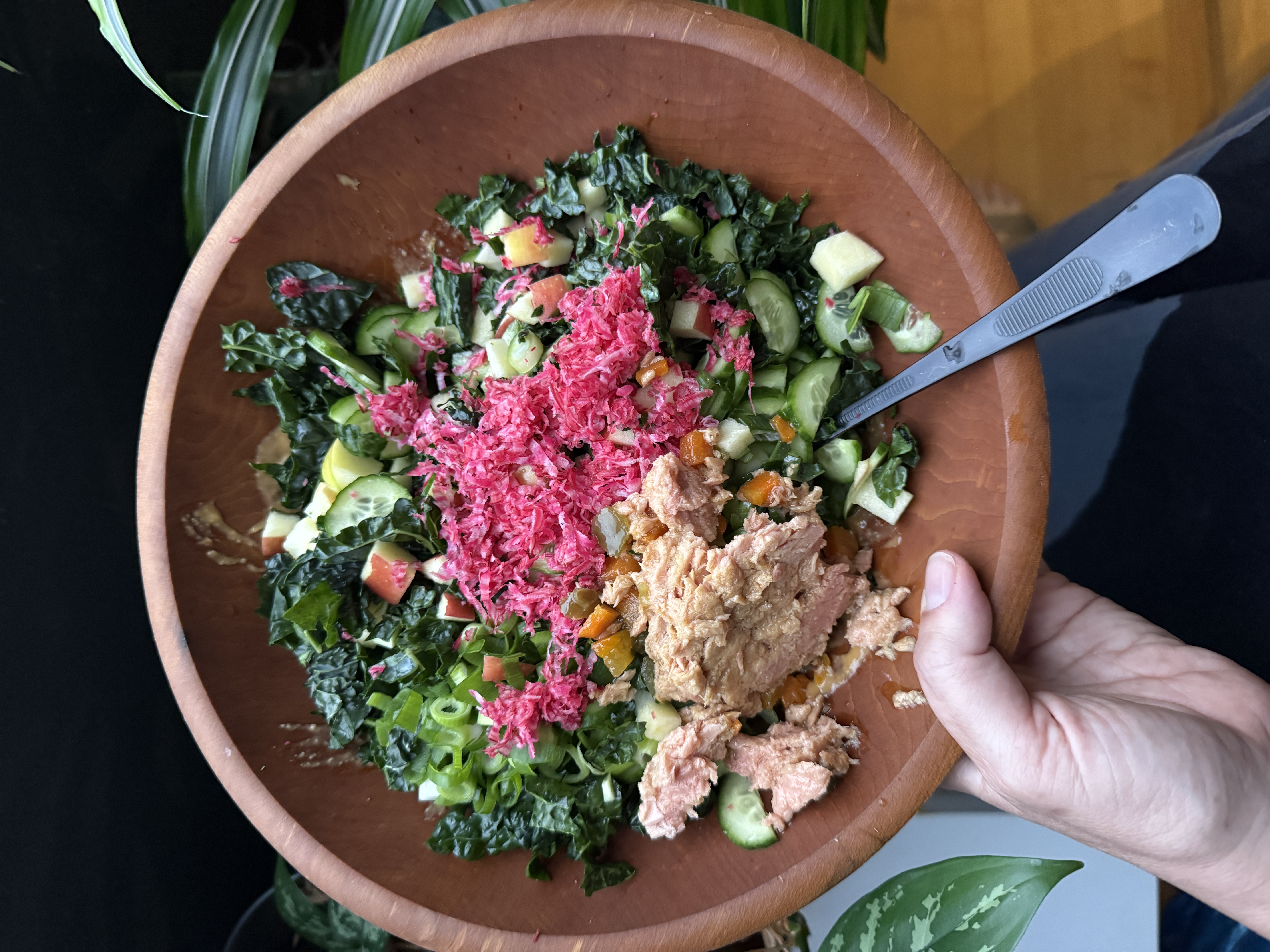
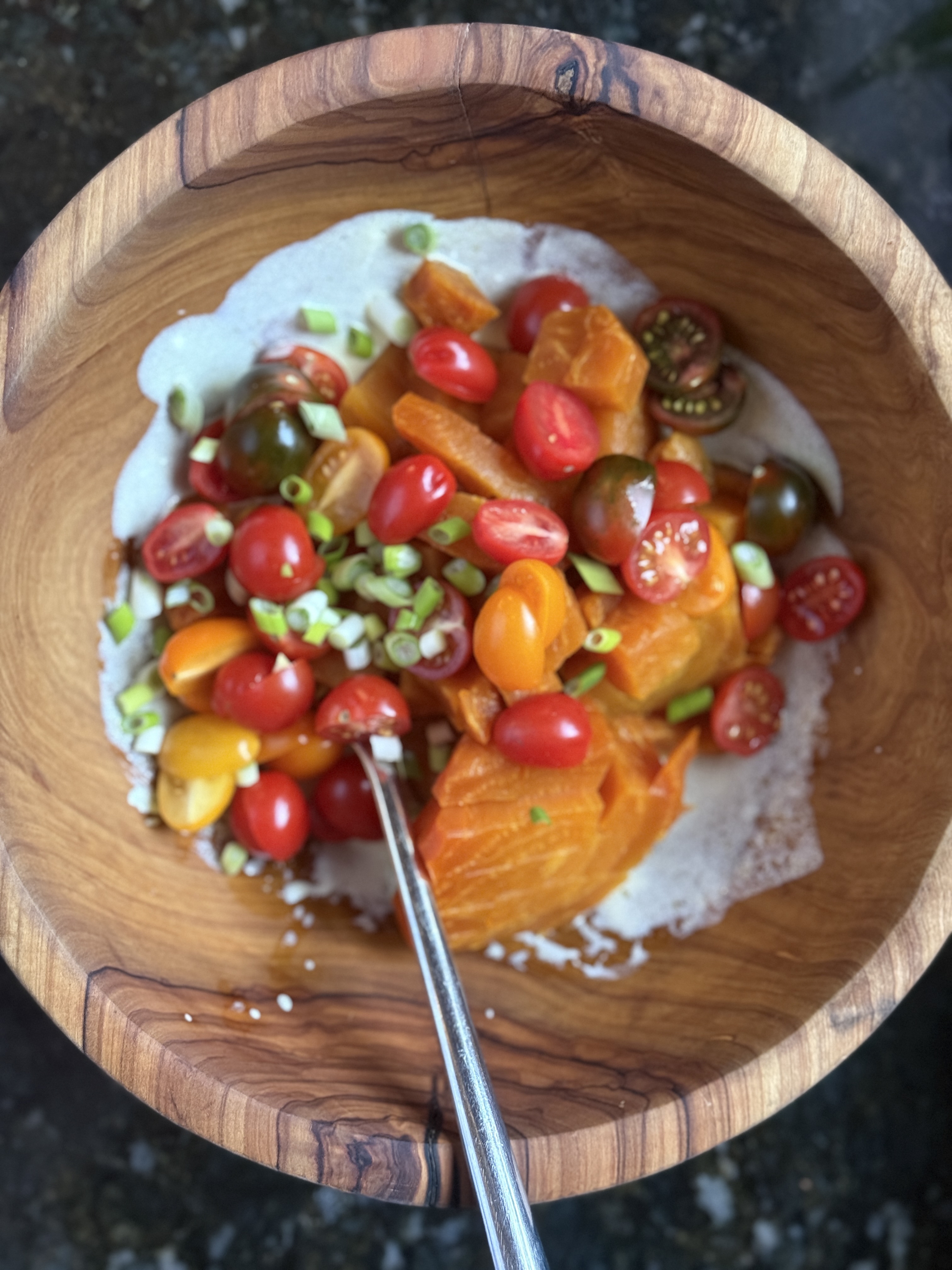
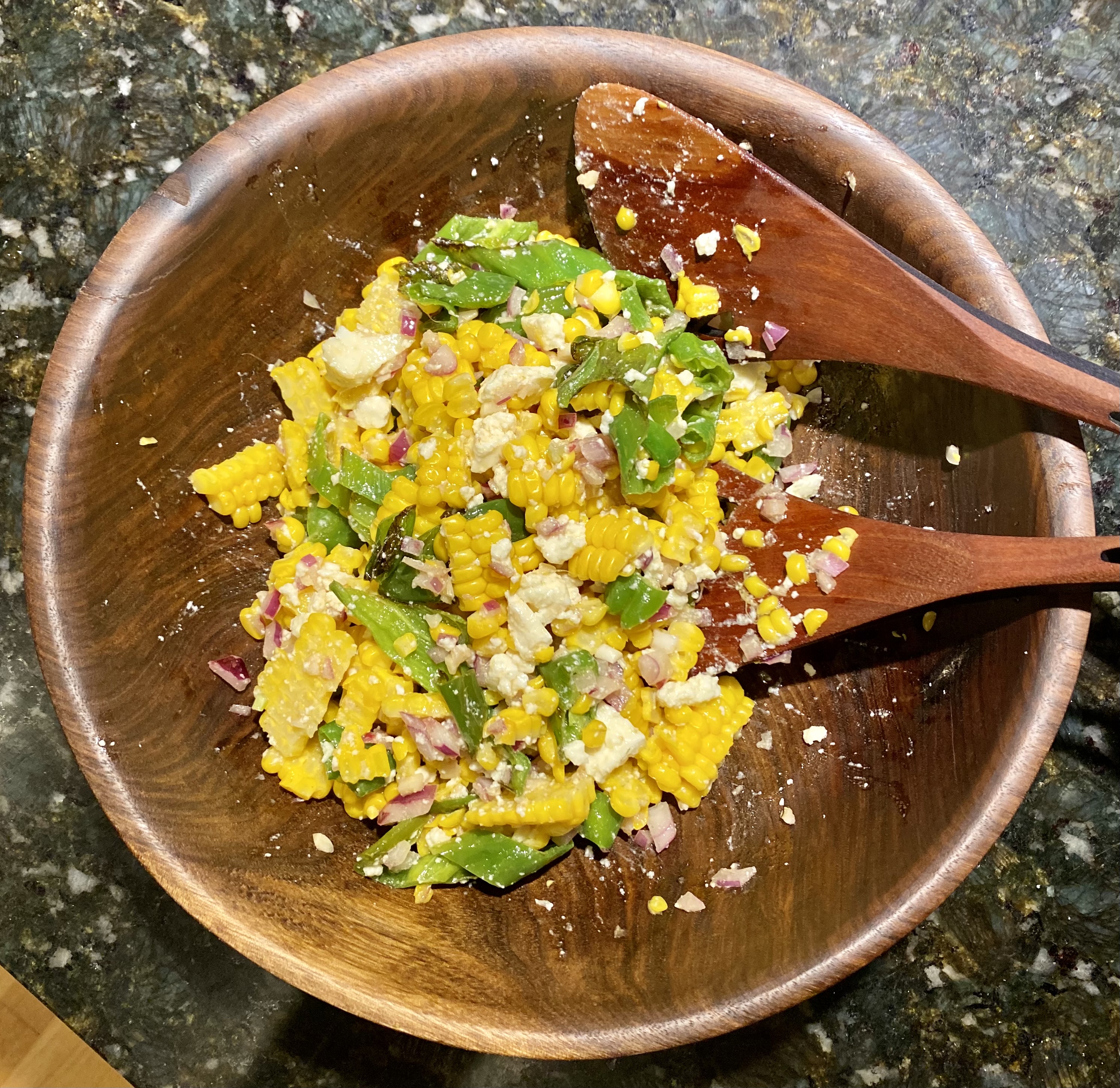
If that sounds incredibly broad, that's exactly right.
You could add some cucumbers to canned beans and call that a salad. Or leftover steak with kale and grated beets (yes, I love beets).
➡️ The trick is a solid understanding of dressings.
Acid, fat, salt, emulsifier. This is the architecture and modularity.
Once you nail these categories, salads, however you construct them, require very little forethought.
This is why I start COOK! with several dressing tutorials.
COOK! Module: <START HERE> Dressings Are Cooking Architecture 🏛️
➡️ Using kale or cabbage is a GREAT way to sidestep the current outbreak.
Bonus, both are seriously good for digestion. Plus, I love them.
Always break them down by hand before eating raw! I sprinkle lemon juice and salt, then massage until noodle-y.
COOK! Module: (Dark, Leafy) Greens Make Life Good 🥬
COOK! Alongs Module: How To Make a Kale Salad That Doesn't Suck
➡️ Add roasted beets and potatoes.
I roast potatoes and beets, then leave them out to eat for the next few days.
COOK! Module: Roast ALL The Veggies 🥕
Or, eat them with herbs and a dressing with yogurt as the emulsifier. Whole only. You need the fat for satiation and flavor.
My favorite: fresh dill, whole, Greek yogurt, sherry vinegar, salt, a dash of lemon.
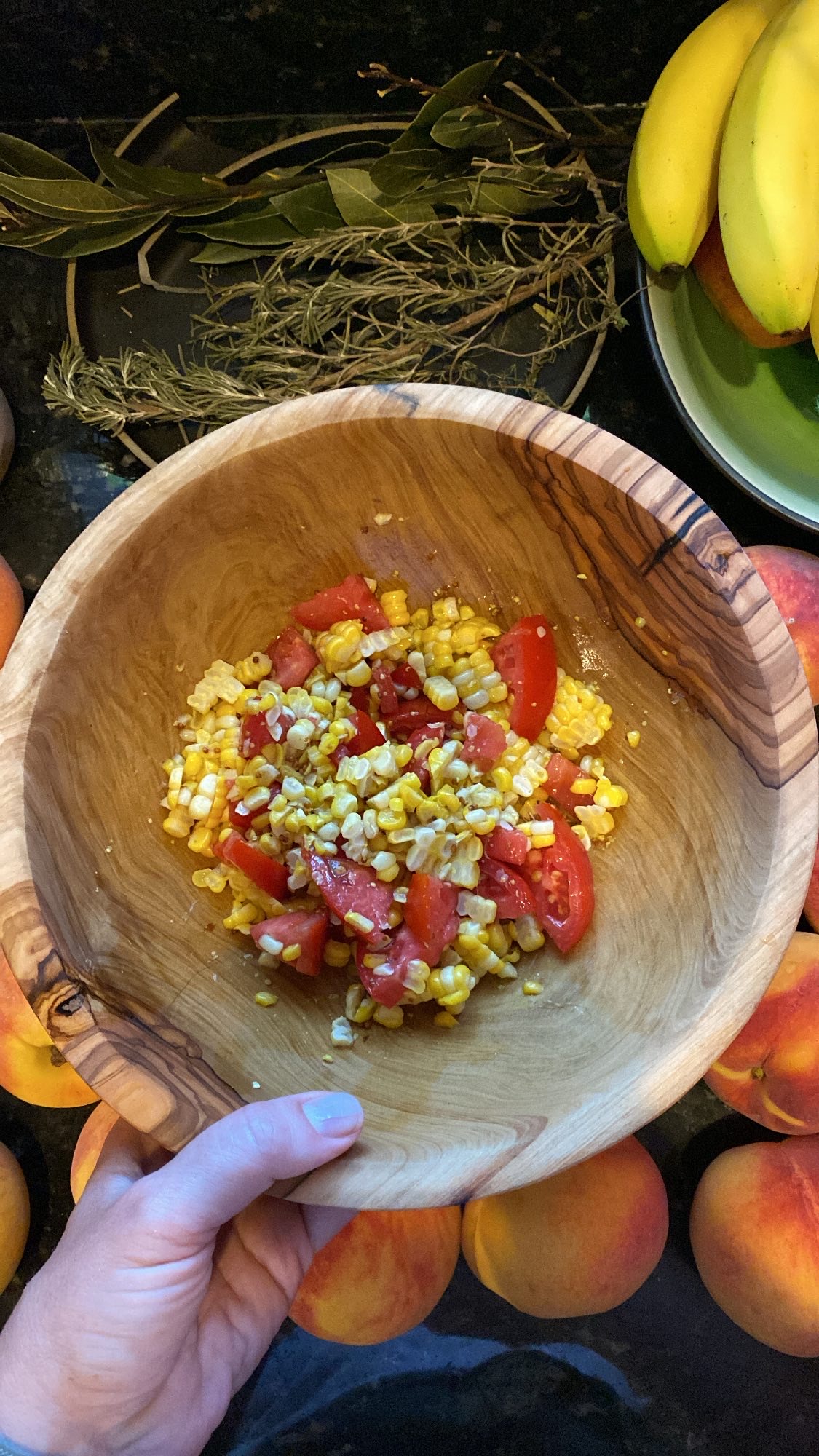
➡️ Last but not least is my beloved corn and tomato salad. Both are in season right now, which is the only time I make this salad. Microwave the corn for 4 minutes, let cool, and slice off the cob.
The 4-ingredient dressing is cold-pressed avocado oil, sherry vinegar, dijon mustard, and coarse salt.
COOK! Module: THE 4-Ingredient Dressing
➡️ Oh, and buy from local producers!
Their veggies taste so much better and are safer to eat. Go to farmer's markets, or ask a neighbor for a great source. It's fun to see what's coming out of the ground with the seasons and to know the people who grew your food.
You don't need another diet, but you do need to eat healthfully, most days.
Don't diet. COOK! — A no-recipe, modular cooking system that teaches you to make real food without gadgets, meal planning, or hours of prep.
Yours in joyful living,
Rebecca
PS. The price for COOK! is going up to $397, but if you click on BUY NOW, it's still at $297. Grab it while you can.
PPS. This is incredible news for women.